Language localisation (or localization) is the adaptation of translated content to the linguistic, cultural, regulatory, and functional expectations of a specific region. Key Components:
Cultural adaptation
Terminology alignment
Measurement units, formats, compliance
UX and design fit for local audiences
In-market review
How Localisation Differs From Translation:
Translation converts meaning using a certain style, register and tone
Localisation adapts usability, culture, and experience of a website, application, software, game or more.
Localisation spesific examples:
Adjusting date/time formats
Changing images to culturally relevant visuals
Adapting product descriptions for local buying behaviour
Making sure that the localised text does not overflow and fits to the screen/field
You may want to read more about other concepts in order to develop a broader understanding.


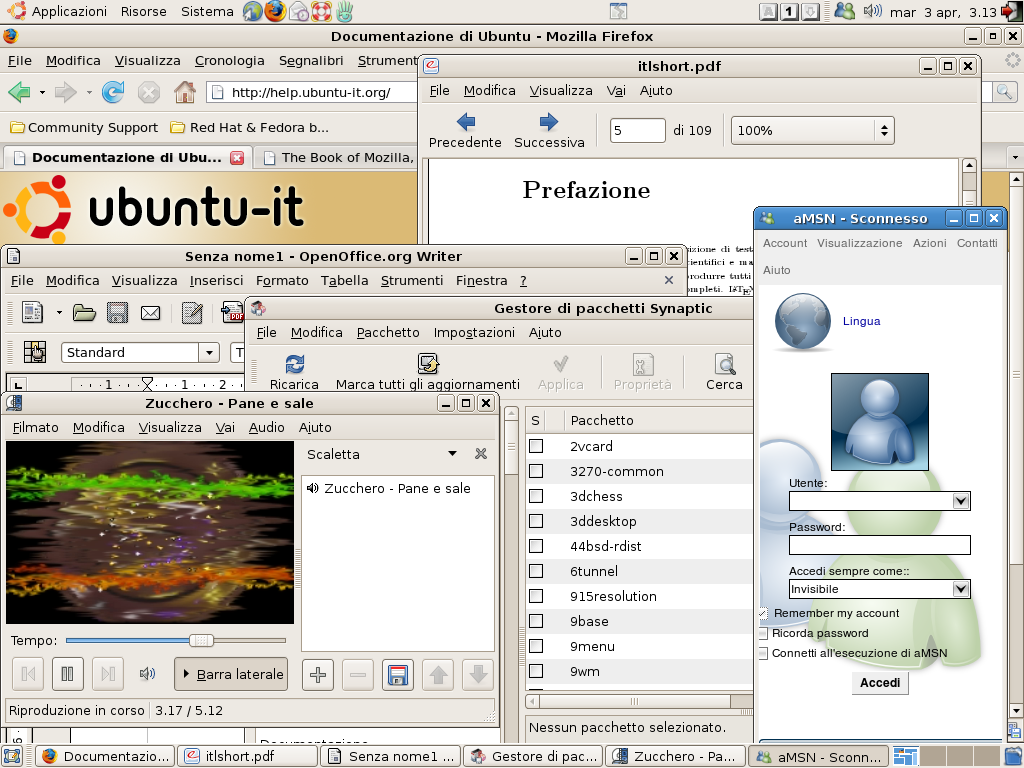 Language localisation (or localization) is the adaptation of translated content to the linguistic, cultural, regulatory, and functional expectations of a specific region. Key Components:
